Which Country Really Gives You the Best Deal on Zinc & Aluminum Die Casting? (And One Smart Setup Most Buyers Miss)
If you’ve ever tried to source zinc or aluminum die-cast parts, you already know the drill. You send out RFQs, get quotes that are all over the place, try to figure out who’s actually reliable, and then factor in shipping, tariffs, and surface finishing. It’s exhausting.
I’ve been around this space long enough to see patterns. Some countries make sense on paper but fail in practice. Others surprise you. And every so often, you stumble on a manufacturer who’s quietly set up something clever — like running factories in two countries to give buyers exactly the kind of flexibility that trade wars and supply chain chaos demand.
So here’s a straight-talking, no-fluff breakdown of where the smart money is going for zinc and aluminum die casting, what each country actually brings to the table, and how Xiamen Stick Industry fits into a strategy that’s working beautifully for a lot of buyers right now.
China: The Giant You Can’t Ignore (but Have to Manage Carefully)
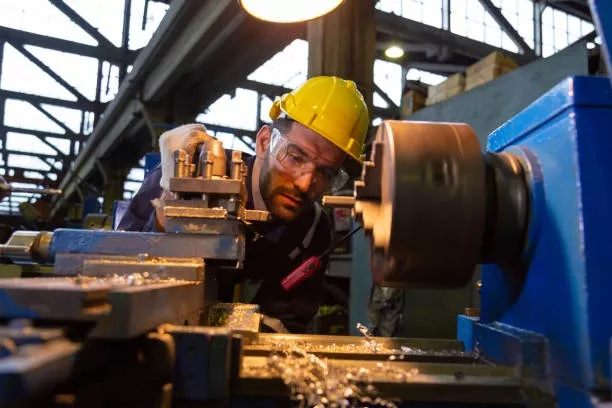
Let’s be honest — China still dominates die casting. Something like 45% of the world’s die cast output comes from there. The ecosystem is deep, the machines are everywhere, and the pricing is hard to beat for volume orders.
What’s good:
The sheer scale means you can find factories with 20, 30, even 50 machines under one roof. Lead times on tooling are fast once you’re set up. The supply chain for alloys, secondary operations, and finishing is mature. And if you’re looking for ISO 9001 (or even IATF 16949) certified shops, there are plenty of them.
What’s messy:
Tariffs are the elephant in the room. The U.S. has slapped heavy duties on aluminum derivatives, and costs can spike before you know it. Plus, while the top Chinese factories are genuinely world-class, there’s a whole underworld of suppliers who’ll promise everything and deliver garbage. You have to do your homework.
Quick take: China is unbeatable for raw unit cost if you know how to pick the right partner. But with tariffs shifting every few months, you need a backup plan.
Vietnam: The “China +1” Bet That’s Actually Paying Off
Vietnam isn’t just a buzzword anymore. A lot of mid-to-large die casting operations have sprouted up there, often run by teams who cut their teeth in China and now offer a sweet spot between cost and trade access.
Why buyers are paying attention:
Labor is still cheaper than in China, and Vietnamese exports don’t get hammered by the same tariffs as Chinese goods when heading to the U.S. or EU. I’m seeing factories with 80-ton to 2,500-ton machines, running respectable volumes, and increasingly handling CNC machining, polishing, and coating in-house.
Where it’s still catching up:
Tooling often comes from China or Thailand, which adds lead time. Some factories have minimum order quantities that don’t work for smaller brands. And while polishing and finishing are improving, the cosmetic standards expected in premium Western markets sometimes need extra attention.
Quick take: Vietnam is your insurance policy. If you need to ship to the U.S. without tariff shocks, or just want to split production so you’re never reliant on one country, this is where you go.
Other Regions Worth Mentioning (and What They Get Right & Wrong)
Mexico is tempting for U.S. buyers who want short shipping times and no ocean freight drama. But raw material costs are high, and the die casting supplier network just isn’t as deep as Asia’s.
India offers low costs and decent growth, but the precision tooling infrastructure and quality consistency are still playing catch-up. For very high-spec parts, you might hit limits.
Eastern Europe (Poland, Czech Republic, Turkey) delivers strong precision and fast EU delivery, but you’ll pay 2-3x what you’d pay in China. Not ideal unless “EU compliance” is non-negotiable.
Germany and the U.S. are engineering heaven — incredible quality, but priced out of reach for all but the most specialized, high-value parts.
Here’s the Move I’m Seeing Smart Buyers Make
The buyers who are winning right now aren’t just chasing the cheapest quote. They’re picking suppliers that give them options. Specifically, the ability to shift production between China and Vietnam depending on the product, the destination market, or the political climate.
That’s exactly the setup offered by Xiamen Stick Industry, and it’s worth looking at their model because it solves a lot of headaches in one go.
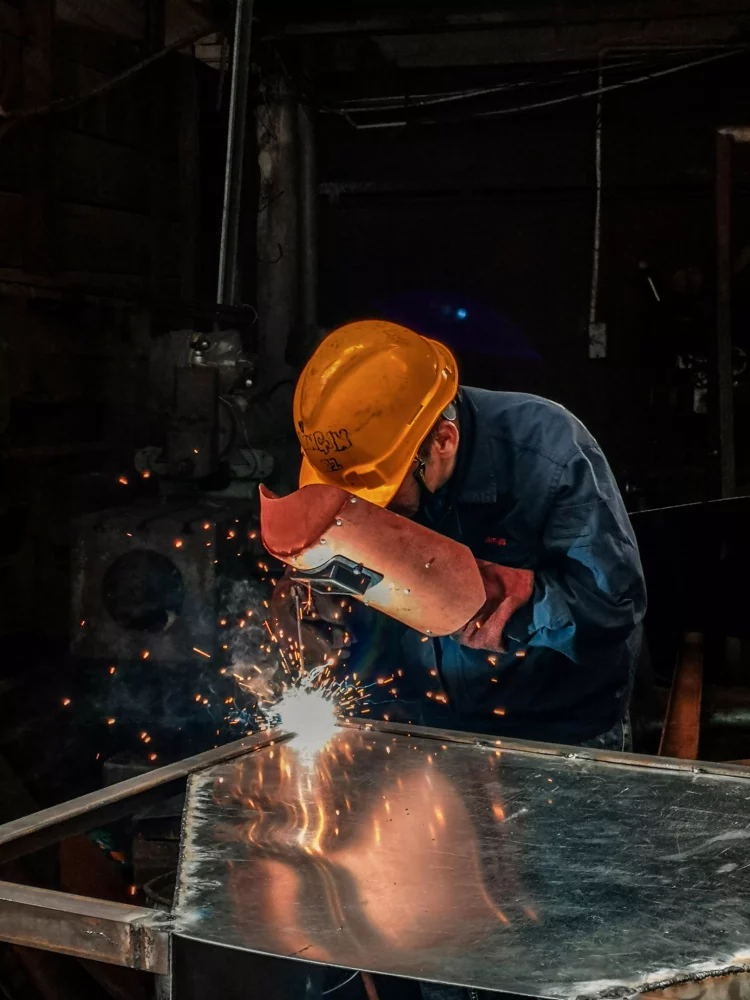
They run production in Xiamen, China and also in Vietnam. Same management team, same quality system — ISO 9001 across both sites — and over 20 die casting machines split between the two locations. That means you can route high-volume, cost-sensitive work through China, while keeping tariff-exposed U.S. or EU orders in Vietnam. Or split a single program across both for redundancy.
Now here’s the part that got my attention when I dug into their capabilities: they don’t outsource surface finishing. They have their own PVD (Physical Vapor Deposition) equipment, painting lines, and electroplating set up in-house.
If you’ve ever dealt wih parts shipped off to a third-party finisher, you know what a pain that is — extra costs, delays, and someone else’s QC standards muddling your project. In-house finishing means none of that. PVD coatings in particular can push surface hardness past 3000 HV, so you get great wear resistance and a premium look without the markup.
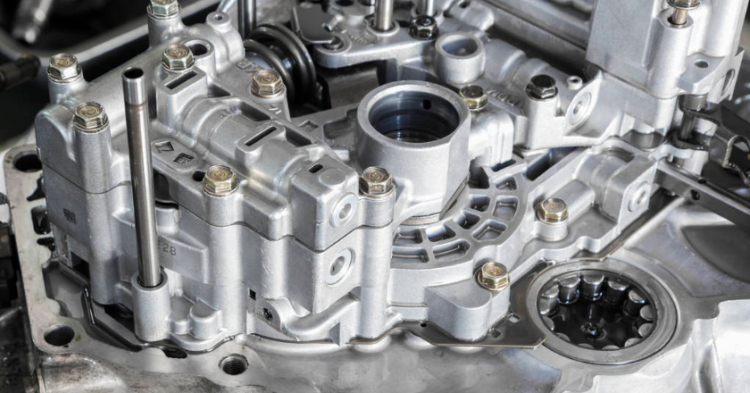
They handle zinc alloys (Zamak 2, 3, 5) and aluminum alloys (A380, ADC12), so the range is there for automotive, consumer electronics, industrial hardware, architectural fittings — the usual spectrum.
So, Does “Cost-Effective” Just Mean Cheap?
Not even close. The lowest per-piece price often comes with hidden freight costs, tariff surprises, and rework nightmares. What actually makes a partnership cost-effective is the total picture:
-
Can they deliver quality the first time and avoid rejects? (ISO 9001 helps a ton here — studies show up to 48% fewer defects.)
-
Can they finish the parts without outsourcing and losing control?
-
Can they shift production origin when trade policies flip upside down?
-
Can they handle both prototyping and volume without making you chase them?
That’s the real value proposition behind a dual-country setup like Xiamen Stick Industry’s.
The Bottom Line
There’s no single golden country for die casting anymore. China still leads on price and capacity. Vietnam is your tariff-safe bridge. Mexico speeds up logistics. Everyone else has some niche. But the cleverest solution I keep seeing is pairing the two strongest Asian hubs — China and Vietnam — under one supplier umbrella.
If you’re evaluating your next zinc or aluminum die casting project, having a partner who can toggle between both worlds, keep quality tight, and handle high-end finishes without subcontracting might just be the quiet advantage your competitors haven’t figured out yet.
Got a project in mind? Reach out to Xiamen Stick Industry — dual factories, one quality standard, and a whole lot less supply chain stress.